Ealing Road packing and removals tips for Alperton
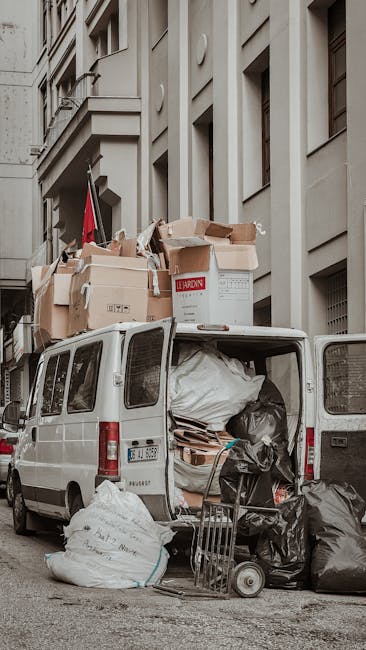
If you are planning a move around Ealing Road in Alperton, the best advice is simple: start earlier than you think, pack with a plan, and leave yourself a little breathing room. That sounds obvious, but in practice it is the difference between a move that feels manageable and one that turns into a full-day scramble with tape stuck to your sleeve and one missing kettle somewhere in the back of the van.
This guide to Ealing Road packing and removals tips for Alperton is designed to help you move smarter, whether you are leaving a flat, shifting a family home, or relocating a small business nearby. You will find practical packing methods, local moving considerations, a comparison of options, a real-world example, and a checklist you can actually use on moving day. Let's make it less stressful, shall we?
Why Ealing Road packing and removals tips for Alperton matters
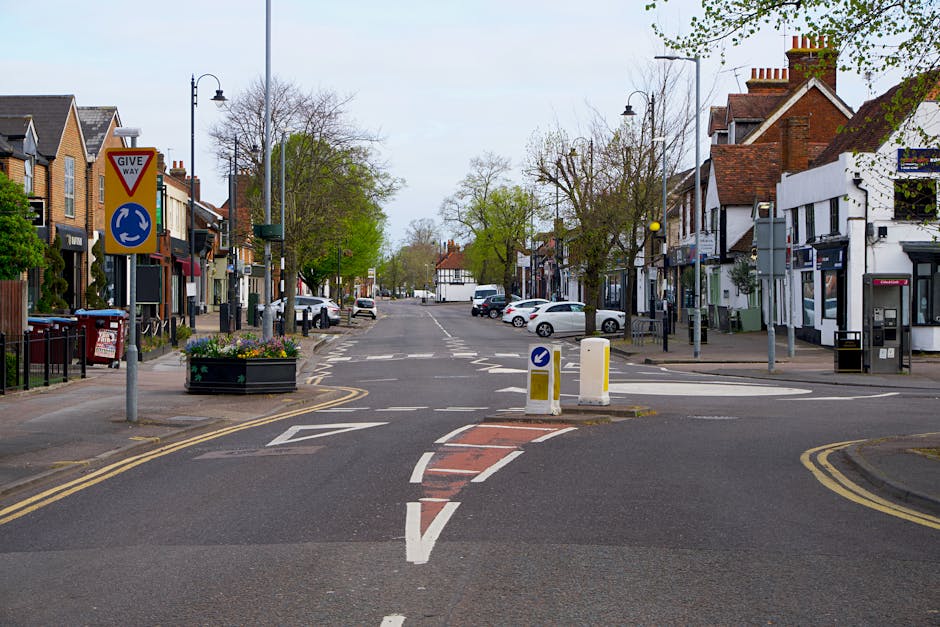
Ealing Road sits in a part of London where convenience and complication often arrive together. You are close to shops, transport links, flats, terraces, and busy main-road traffic, which is great for daily life, but not always ideal when you are trying to load boxes, protect fragile items, or park a vehicle without creating a domino effect of stress. That is why local removals advice matters here more than generic moving tips do.
In Alperton, the challenge is not usually one giant issue. It is a stack of smaller ones: limited loading space, shared entrances, narrow stairwells, awkward furniture, and timing that has to work around neighbours, work, school runs, or building access. If you have ever carried a wardrobe down stairs while someone else is trying to get through a hallway with a bicycle and a shopping bag, you will know the feeling. A little planning saves a lot of awkwardness.
Good packing and removals planning also helps protect your belongings. Boxes that are overfilled split. Plates packed loosely chip. Cables and chargers vanish into the moving abyss. The smarter your system, the easier it is to unpack without feeling like you are rebuilding your life from a box marked misc. Which, to be fair, is a bit of a trap we have all fallen into at least once.
For anyone moving locally, it also helps to think beyond transport. Sometimes the best move is to use a mix of removals support and storage. If you need a little flexibility, services such as removals and storage or self storage can take pressure off the day itself.
How Ealing Road packing and removals tips for Alperton works
At a practical level, the process has three stages: prepare, move, and settle. The details matter, though. The smoother your preparation, the less work the moving day has to do.
First comes sorting. Decide what is moving, what is being donated or recycled, and what can be stored temporarily. This is where you avoid paying to move things you do not actually want. A surprisingly common issue, that.
Next comes packing. Use good boxes, proper wrapping, and a labelling system that tells you both the room and the contents. A box labelled Kitchen - mugs and kettle is useful. A box labelled stuff is not. One helps at 8 p.m. when you want tea. The other just mocks you quietly.
Then comes the actual removal. For many moves in Alperton, a local or small removals option works well, especially if access is tight or the load is modest. Services such as local removals, small removals, or a flexible man and van can be a sensible fit for flats, studio moves, student moves, and downsizing.
Finally, there is the settling-in stage. This is where the good movers and the well-packed boxes repay you. Essentials come out quickly. Breakables are intact. The kettle is where it should be. And you are not hunting for bed linen at midnight.
Key benefits and practical advantages
There is a reason organised packing makes such a big difference. It does not just save time; it reduces friction everywhere else in the move.
- Less damage: Proper wrapping, sturdy cartons, and sensible stacking reduce breakage and dents.
- Faster loading: Clearly packed boxes and pre-dismantled furniture keep the move moving.
- Better vehicle use: A tidy load uses space efficiently, so fewer trips may be needed.
- Lower stress: When the process is mapped out, every decision becomes easier.
- Improved access planning: In a busy area, knowing what goes first and what needs wider clearance prevents delays.
There are also practical financial benefits. Careful packing means fewer last-minute purchases, less wasted bubble wrap, and a lower chance of having to replace damaged items. If you are trying to keep moving costs under control, that matters. A lot, actually.
For people who need more flexibility, storage can also be a very smart buffer. If the new place is not ready, if you are waiting on decorating, or if you are downsizing room by room, options like short term storage or household storage can make the transition feel far less chaotic.
Who this is for and when it makes sense
This advice is useful for a wide range of people in and around Alperton:
- Tenants moving out of flats near Ealing Road
- Homeowners relocating within Brent or nearby parts of London
- Students moving between term-time accommodation and home
- Small business owners shifting stock, files, or equipment
- Families downsizing or bridging between properties
- Anyone who has limited parking, limited time, or limited patience
It also makes sense if your move is not a classic one-day removal. Sometimes people need to move in stages. A sofa goes first. The rest follows after cleaners, decorators, or key handover. In those situations, it is worth considering secure storage or mobile self storage, especially if you want flexibility without cluttering the new place.
Office moves can benefit too. If you are moving a workspace, filing cabinets, monitors, stationery, and archived paperwork need different handling from household belongings. For that, office removals and document storage can be particularly useful.
Step-by-step guidance
Here is a clean, practical approach that works well for most Ealing Road and Alperton moves.
- Start with a room-by-room list. Do not try to pack the whole property in your head. Write it down. You will forget things otherwise.
- Declutter before boxing. Split items into keep, donate, recycle, and store. The less you move, the easier everything becomes.
- Gather packing materials. You will need small, medium, and large boxes; packing tape; labels; marker pens; wrapping for fragile items; and mattress or furniture protection if needed.
- Pack by weight and use. Heavy items go in smaller boxes. Lighter but bulkier items can use larger cartons. Books in giant boxes sound efficient until you try to carry them.
- Label every box clearly. Room, contents, and priority. You might even colour-code if you are the organised type. If not, just keep it simple and consistent.
- Disassemble furniture early. Beds, tables, shelving, and anything awkward should be taken apart before moving day if possible. Keep screws and fittings in labelled bags taped to the correct item.
- Protect fragile pieces properly. Wrap glasses individually, cushion plates vertically where possible, and pad gaps inside boxes so items cannot shift around.
- Create an essentials bag. Keep medicines, chargers, snacks, toiletries, important documents, and one change of clothes with you. This is the bag that saves the first night.
- Plan the route and access. Think about lifts, staircases, doorway widths, and where the vehicle can stop. In a busy London setting, that bit can make all the difference.
- Do a final walk-through. Check cupboards, loft spaces, sockets, windows, and under beds. People leave things in the strangest places.
If you are moving from a flat, especially one with stairs or tight communal corridors, it is worth looking at flat removals support. Flats tend to be perfectly manageable, but they reward careful timing and good carrying technique. No rushing, no heroics.
Expert tips for better results
Here are the bits that save people the most trouble in real life.
Use smaller boxes than you think. This is the most underrated packing tip going. A box that is only half full is easier to stack and less likely to burst. A box packed like a brick is a back injury waiting to happen.
Pack a "first evening" box. Include kettle, mugs, tea bags, loo roll, phone chargers, basic tools, towels, and bed linen. That first evening in a new place is always a bit odd. Having the essentials close by makes it feel human again.
Take photos of cable setups. Before you unplug anything, snap the back of the TV, computer desk, or router area. You will thank yourself later. Nobody enjoys guessing where the third cable goes.
Keep important items separate. Passports, tenancy papers, insurance details, and keys should not be buried in a box of old magazines. Keep them with you.
Wrap furniture corners. Corners get knocked first. A little protection prevents a lot of scuffs, especially in narrow hallways or shared entrances.
Use storage as a pressure valve. If the timeline is messy, do not force everything through the move at once. Services like furniture storage or long term storage can help when you are not ready to place every item immediately.
And a small human tip: pack the rooms you use least first. Leave the kitchen and bathroom essentials until near the end. It keeps life functional while the rest of the house slowly turns into cardboard city.
Common mistakes to avoid
Most moving problems are avoidable. Not all of them, but most.
- Leaving packing to the final night. It creates rushed decisions and weak boxes.
- Overfilling cartons. Heavy boxes are awkward, unsafe, and more likely to split.
- Poor labelling. If you cannot identify a box quickly, unpacking becomes a guessing game.
- Ignoring access issues. A van can only help if it can reasonably get to the property.
- Forgetting shared-space etiquette. In flats and terraces, be considerate with noise, hallways, and parking.
- Not separating valuables. Small items disappear easily during a busy move.
- Assuming every item should move at once. Sometimes a split move is the smarter move.
One common trap is trying to "save time" by mixing rooms into whatever box is available. It feels efficient for about ten minutes. Then later you end up opening a box labelled "bedroom" and finding a toaster, a lamp, and half a set of towels. Tiny disaster. Easy to avoid.
Tools, resources and recommendations
You do not need fancy equipment, but the right basics help a great deal.
| Item | Why it helps | Best use |
|---|---|---|
| Strong cardboard boxes | Protects items and stacks neatly | General household packing |
| Packing tape | Keeps boxes secure | Sealing bottoms, tops, and reinforcement |
| Marker pens and labels | Makes unpacking quicker | Room and contents labelling |
| Wrapping paper or cushioning material | Reduces breakage | Glasses, crockery, ornaments |
| Furniture blankets or covers | Helps prevent scuffs | Sofas, tables, wardrobes |
| Basic toolkit | Useful for dismantling and reassembly | Beds, shelves, fittings |
If you are moving a smaller load, a service such as small removals can be a neat fit. If you are moving more than you expected, removals support gives you more flexibility, especially when timing is tight.
For businesses, business storage and office storage can keep stock, archive boxes, or surplus furniture out of the way while you complete a phased move. That can be a lot easier than crowding a new office with items you do not need on day one.
Law, compliance, standards, or best practice
For most domestic moves, the main point is to follow sensible UK best practice: pack safely, lift carefully, and make sure the move does not put you, neighbours, or property at risk. If you are using a removals provider, it is reasonable to ask about insurance, handling methods, and how they approach safe loading and transport. The exact cover and terms can vary, so always check the details rather than assuming. That saves a headache later.
If you are moving business records, personal data, or sensitive paperwork, use a secure, access-controlled approach and keep privacy in mind. A paper trail left on a hallway floor is not ideal, let us say that plainly. For anything confidential, secure storage and document storage are usually more sensible than leaving items boxed up in an unsecured room.
It is also wise to consider environmental best practice. Reuse materials where clean and suitable, recycle what you can, and avoid sending good items to waste. If sustainability matters to you, the site's recycling and sustainability information is worth a look before you clear everything out.
Options, methods, or comparison table
Not every move around Ealing Road needs the same setup. Here is a straightforward comparison to help you decide.
| Option | Best for | Strengths | Trade-offs |
|---|---|---|---|
| DIY move | Very small loads, simple access | Lowest direct cost, full control | More lifting, more time, more stress |
| Man and van | Small to medium local moves | Flexible, practical, often ideal for Alperton streets | May require your own packing and loading prep |
| Full removals service | House moves, awkward furniture, time-sensitive days | Less physical work, more support, smoother coordination | Usually a higher cost than DIY |
| Removals with storage | Staged moves, delays, downsizing | Excellent flexibility, less clutter, easier timing | Needs more planning than a direct move |
There is no single "best" option. It depends on volume, access, budget, and how much heavy lifting you want to do. Truth be told, that last one matters more than people admit at the start.
Case study or real-world example
Imagine a couple moving from a second-floor flat near Ealing Road to a new home a short distance away in Alperton. They have a sofa, a bed, two bookcases, kitchenware, and a fair amount of everyday clutter that has quietly accumulated over the years. Nothing dramatic. Just enough stuff to make the move feel bigger than it looks on paper.
They start a week ahead. First, they sort out donations and items going to recycle. Then they pack the kitchen in stages, leaving one pan, two mugs, and the kettle until the final morning. The books go into smaller boxes, and the cushions are grouped with bedding rather than getting mixed into random cartons. Good move. Their larger furniture is dismantled the night before, with screws taped into labelled bags.
On moving day, the van arrives and the load goes quickly because boxes are already grouped by room. The driver does not have to wait while they search for tape or work out which box holds the lamp. After delivery, they unpack the essentials first and leave the rest for the following day. Nothing glamorous. Just calm, steady progress.
That is usually how successful local moves feel: not heroic, not perfect, just organised enough that the day does not run away from you.
Practical checklist
Use this checklist in the days before your move.
- Confirm moving date, access details, and timing
- Measure large furniture and doorways if needed
- Sort items into keep, donate, recycle, store
- Buy or gather boxes, tape, labels, and wrapping materials
- Pack non-essential rooms first
- Prepare a clearly labelled essentials bag
- Dismantle furniture and store fixings safely
- Protect fragile items and corners of furniture
- Check parking and loading arrangements
- Keep valuables and important papers with you
- Do a final sweep of cupboards, loft spaces, and under beds
- Make sure keys are ready for handover or arrival
Quick summary: the best Ealing Road moving days are the ones where the packing is predictable, the route is clear, and you have already decided what matters most. Everything else becomes manageable. Even the slightly annoying bits.
Conclusion
Ealing Road packing and removals tips for Alperton are really about control, timing, and common sense. Pack in stages. Label clearly. Keep access in mind. Use storage when the move needs flexibility. And if the job is larger than you expected, choose support that matches the reality of the property rather than the idea of it.
Moving is rarely anyone's favourite task, but it does not have to feel overwhelming. With a bit of structure and the right approach, you can get through it with fewer surprises and a much better first day in your new place. And that first cup of tea in the new kitchen? It always tastes better than it should.
If you are comparing moving options or planning a local relocation in Alperton, take the time to review the services that fit your situation best, whether that is packing services, house removals, or a flexible storage option for the in-between stage.
Get a free quote today and see how much you can save.
Frequently Asked Questions
What is the best way to pack for a move from Ealing Road in Alperton?
The best approach is to pack room by room, keep heavy items in smaller boxes, label everything clearly, and prepare an essentials bag for the first night. That combination keeps the move organised and helps you unpack faster.
Should I use a man and van or a full removals service?
If you are moving a smaller load locally, a man and van service may be enough. If you have a larger home, difficult access, or a lot of furniture, a fuller removals service is usually more practical.
How early should I start packing before moving day?
Ideally, start with non-essential items at least one to two weeks before the move. Leave daily essentials until the final day or two so your home stays usable for as long as possible.
What should go in my essentials box?
Put in kettle, mugs, tea bags, snacks, toilet roll, chargers, basic toiletries, medicines, bed linen, and a simple tool kit. If you arrive late and exhausted, this box becomes gold.
How do I protect fragile items during a local move?
Wrap each item individually, fill empty gaps in the box, and avoid overpacking. Plates should be cushioned so they do not move, and glasses should never be left rattling around loosely.
Is storage useful during a move in Alperton?
Yes. Storage is especially useful if your move is staged, if your new home is not ready, or if you want to reduce clutter before settling in. Short-term or secure storage can make the whole process calmer.
What is the most common mistake people make when moving?
Leaving packing too late is probably the biggest one. It causes rushed decisions, weaker boxing, and far more stress on the day than most people expect.
How should I label boxes for unpacking?
Write the room name and the main contents on each box, then add a priority note if needed. For example: "Kitchen - glasses - fragile" or "Bedroom - bedding - first night." Simple works best.
Do I need to dismantle furniture before a move?
Usually yes, if the item is bulky or awkward. Beds, shelving, and large tables are easier and safer to move when taken apart. Keep all screws and fittings in a labelled bag.
Can removals services help with flats and tight access?
Yes. Flat moves often benefit from careful planning and the right vehicle size. A service experienced with flat removals can help manage stairs, shared entrances, and loading times more smoothly.
What if I only have a few items to move?
For small loads, a small removals option or a man and van service is often the most efficient choice. It avoids paying for more transport than you need.
How can I keep moving costs under control?
Declutter first, pack efficiently, avoid last-minute add-ons, and choose a service level that matches your actual load. Using storage for non-urgent items can also prevent unnecessary pressure on the moving day.