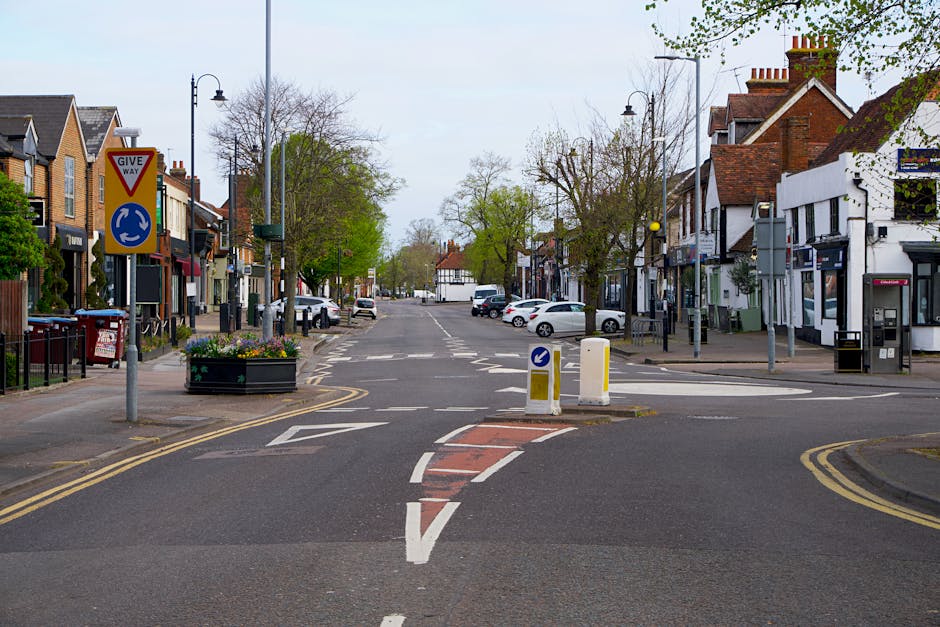
Alperton High Street loading tips for local removals

If you are planning a move around Alperton High Street, the loading part can make or break the day. A van arriving at the wrong time, a doorway blocked by a neighbour's car, or boxes stacked in the wrong order can turn a simple local removal into a long, sweaty delay. The good news? A bit of planning goes a long way. In this guide, we'll walk through practical Alperton High Street loading tips for local removals so you can reduce hassle, protect your belongings, and keep the move moving. Nothing fancy. Just the kind of advice that saves time when the clock is ticking and the kettle is packed away somewhere deep in a box.
Why Alperton High Street loading tips for local removals Matters
Loading is often the least glamorous part of moving day, yet it is usually the bit that decides whether everything else feels calm or chaotic. On a busy street like Alperton High Street, there are extra layers to think about: passing traffic, limited waiting space, pedestrians, side road access, and the simple fact that people still need to get in and out of shops, homes, and parking spaces. You may have the perfect moving plan on paper, but if the van cannot stop safely or the sofa cannot get through the front door without a bit of strategy, you will feel the pressure pretty quickly.
For local removals, the loading stage matters because it affects speed, safety, and cost. The slower the load, the longer the team spends on site. The more awkward the access, the more likely it is that someone has to carry heavy items further than expected. And with removals, distance matters. Even an extra 20 metres from doorway to van can become tiring when repeated dozens of times.
There is also a trust angle here. A well-organised load shows that the move has been thought through. Items are packed in the right order, fragile pieces are protected properly, and the removal crew can work without constantly stopping to reshuffle. That sounds small. It isn't. It is the difference between a move that feels controlled and one that feels a bit like everyone is making it up as they go along.
Quick takeaway: on Alperton High Street, the best loading plan is one that reduces walking distance, keeps the path clear, and lets the van stop legally and safely without guesswork.
If you are comparing moving options more broadly, it can help to look at related services too, such as local removals, man and van support, or even packing services if the packing side of things is getting on top of you.
How Alperton High Street loading tips for local removals Works
At its simplest, loading is the process of getting your belongings from the property into the vehicle in a safe, efficient order. But in practice, it involves a few moving parts. First, there is the approach: where the van can stop, how close it can legally and safely get to the property, and whether the route from door to vehicle is clear. Then there is the sequence: what goes on first, what gets loaded last, and how the van is balanced so nothing topples or gets crushed.
On a street like Alperton High Street, the loading plan should take into account the nature of the property itself. A ground-floor flat with easy access is one thing. A first-floor flat with a narrow stairwell and a shared entrance is another. A terraced home close to the pavement brings a different set of challenges again. If there is a lift, great. If there is not, well, let's just say the stairs will get to know you very quickly.
The basic process usually looks like this:
- Confirm the moving time and vehicle size in advance.
- Clear the path from property to street or loading point.
- Disassemble larger furniture where needed.
- Load heavier items first to form a stable base.
- Place fragile or valuable items last and secure them properly.
- Check that nothing shifts before the van leaves.
The loading stage is not only about lifting. It is about planning the order, protecting the items, and avoiding unnecessary back-and-forth. Good movers think in layers: access, carrying route, stacking, and securing. If one of those layers is weak, the whole thing slows down.
For people moving from a flat, a quick look at flat removals can be useful because apartment moves often need extra attention around stairs, door widths, and shared access points. The same applies if you are moving a smaller load and want a more streamlined approach through small removals.
Key Benefits and Practical Advantages
Getting the loading right gives you more than just a tidy van. It changes the whole experience of the day. Here are the practical upsides people notice first.
1. Faster loading and unloading
A clear route, pre-sorted boxes, and sensible item order mean fewer pauses. When the team is not constantly checking where a box should go, the work flows. That may sound obvious, but it is amazing how often moves slow down because the kettle is somewhere under three lamps, a printer, and a mysteriously heavy suitcase.
2. Less risk of damage
Items that are stacked properly and protected with blankets, wraps, or straps are less likely to get scratched, crushed, or knocked. Fragile pieces also benefit from being loaded late, so they are not buried under heavier furniture.
3. Better use of the van
Space matters. A well-planned load makes the most of every corner, which is especially helpful in local removals where the van may need to handle bulky furniture and smaller boxed items in one trip. Good space use can reduce the need for extra journeys.
4. Lower stress on move day
Honestly, this is the big one. When everyone knows the plan, there is less shouting across the pavement, fewer moments of panic, and fewer last-minute decisions. You can breathe a bit easier. That counts for a lot.
5. Better safety for everyone
Moving heavy items near traffic, kerbs, and narrow walkways is not ideal if the route is cluttered. A safe loading plan keeps people, property, and passers-by out of harm's way. It also reduces the chance of trips and strains, which nobody wants on moving day.
For households or businesses who want added flexibility, it may also be worth comparing removals and storage with a standalone move. Sometimes a temporary storage solution takes the pressure off if the new place is not quite ready.
Who This Is For and When It Makes Sense
These tips are useful for almost anyone moving locally, but some people will benefit more than others. If you are moving within Alperton, Wembley, or nearby areas, and the van needs to stop on or near a busy street, you will want to think ahead. Local moves can seem straightforward, but they often come with tight timing and little room for error.
This is especially relevant if you are:
- moving from a flat or maisonette with shared access
- moving a house with limited front-drive space
- using a smaller vehicle and making multiple trips
- relocating office equipment or stock from a street-facing premises
- handling fragile items, antiques, or awkward furniture
- trying to move during a busy part of the day
It also makes sense if you are working to a tight schedule. Maybe your tenancy ends at midday, or the new place is only available after a set time. In those situations, even a short delay at loading stage can ripple through the rest of the move. And once the dominoes start falling, everything gets more annoying than it should.
If your move includes a business component, you may also want to review office removals or business storage options, especially if desks, files, or stock need to be kept secure between locations.
Step-by-Step Guidance
Here is a practical way to handle loading for a local removal on Alperton High Street without overcomplicating it.
Step 1: Confirm the access plan before move day
Decide where the van is expected to stop, how far items will need to be carried, and whether there are any obstacles such as narrow gates, steps, shared entrances, or low ceilings. If you can, do a quick walk-through the day before. You will notice things then that you somehow miss in the rush of the morning.
Step 2: Park the van as close and as safely as possible
The goal is not just proximity. It is safe proximity. A van parked too far away creates extra carrying distance, but a van parked badly can block access or create problems for other road users. If the street is busy, a clear, legal stopping point matters more than squeezing in as close as you can.
Step 3: Prepare the route from property to van
Move anything that could trip someone up: loose mats, bins, plant pots, bikes, shoes, or random clutter that has a habit of appearing near the front door. If there is a narrow hallway, keep it clear. If you have children or pets around, keep them out of the path too. It sounds obvious. Then moving day arrives and suddenly a toy dinosaur is exactly where no one wants it.
Step 4: Group items by size and fragility
Do not just drag everything out at random. Group heavy items, medium boxes, fragile items, and awkward shapes separately. That way, the loading sequence becomes more logical. Heavy items go down first. Delicate items go on top or in protected areas. Long pieces like table legs or mirrors need their own safe position.
Step 5: Use a sensible loading order
As a rule of thumb, start with the heaviest and bulkiest pieces: wardrobes, sofas, appliances, large boxes of books. Then build around them with lighter and more flexible items. Fill spaces with softer boxes or wrapped items. Save fragile cartons, bags of essentials, and personal documents for near the end.
Step 6: Secure everything before departure
Once the van is loaded, check that items are strapped or wedged so they cannot slide. A small shift in transit can become a large problem when you hit a speed bump or corner. It does not need to be perfect in a Hollywood sense. It just needs to be sensible and firm.
Step 7: Keep essentials accessible
You will thank yourself later if you keep a clearly marked essentials bag separate. Think phone charger, keys, basic medication, toiletries, snacks, important paperwork, and a change of clothes. That first evening in the new place feels much better when you are not tearing open six boxes to find a toothbrush.
Expert Tips for Better Results
In our experience, the best loading results usually come from a few simple habits repeated well. Nothing flashy. Just calm, consistent organisation.
Tip 1: Label boxes on more than one side. It sounds minor, but when a box is stacked sideways in the van, you want the label visible. Label by room and by priority if you can: kitchen, bedroom, fragile, open first.
Tip 2: Keep weight balanced. Boxes of books are brilliant for filling space, but they are also brutal on backs and weak box bases. Spread heavy items across the load instead of making one end of the van do all the work.
Tip 3: Use soft items as cushioning. Towels, bedding, and blankets can help protect furniture edges and fill awkward gaps. That said, do not bury important items in a duvet mountain and then forget where they went. It happens more than people admit.
Tip 4: Take photos of fragile setups before dismantling. If you are removing shelves, electronics, or modular furniture, a quick photo helps you rebuild things later without guesswork.
Tip 5: Protect floors and thresholds. On a high street property, entrances can get scuffed quickly. Boards, mats, or simple care around corners can save a lot of annoying marks.
Tip 6: If in doubt, slow down around awkward items. A second extra minute manoeuvring a sofa through a doorway is better than a torn wall, split frame, or bruised shin. Truth be told, the wall usually loses.
Tip 7: Match the move type to the right service. A straightforward one-bed flat may be fine with man and van support, while a full household move may be better handled through house removals. Choosing the right setup is part of loading smartly, not just booking transport.
Common Mistakes to Avoid
The mistakes people make on loading day are usually not dramatic. They are small decisions that stack up. A bit like forgetting to eat breakfast before a physical job. Fine at first, regrettable by 11 a.m.
- Leaving access planning until the last minute. If no one knows where the van is stopping, the crew wastes time circling or carrying items further than needed.
- Underestimating narrow doors or stairs. A sofa that "should fit" sometimes does not, especially if it has to turn mid-flight through a tight hallway.
- Packing boxes too heavy. Overloaded boxes slow down the move and are more likely to break at the bottom.
- Mixing fragile and heavy items. It only takes one misplaced box to damage glassware, lamps, or electronics.
- Not keeping essentials separate. This causes that classic first-night scramble where nobody can find charger cables, mugs, or bedding.
- Assuming the van can stop anywhere. Busy streets need careful judgement. Not every gap is a good gap.
- Forgetting to protect communal areas. Shared hallways and entrances can be damaged easily, and that is not the start anyone wants.
A small amount of structure avoids a surprising amount of pain. And yes, it can be a bit tedious at the planning stage. But tedious is better than chaos. Usually.
Tools, Resources and Recommendations
You do not need an enormous kit to load well, but a few practical tools make life easier. These are the basics most people overlook until they are standing in a hallway with a mattress and nowhere sensible to put it.
| Item | Why it helps | Best used for |
|---|---|---|
| Furniture blankets | Protects edges and surfaces from scrapes | Sofas, tables, wardrobes, mirrors |
| Ratchet straps | Keeps load stable during transit | Large furniture, stacked boxes, appliances |
| Moving dolly or sack truck | Reduces lifting strain and speeds up transport | Heavy boxes, white goods, bulky items |
| Sturdy tape and labels | Helps with box identification and closure | All packing categories |
| Floor protection | Reduces scuffs and dirt transfer | Hallways, entrances, shared access points |
| Hand gloves | Improves grip and helps with rough surfaces | Carrying awkward or textured items |
If you are moving a significant volume of possessions, you may also want to think about storage. Short-term storage is useful if completion dates do not line up neatly, while secure storage can help for valuable items or longer delays. For households with extra furniture, furniture storage is often the practical middle ground.
For packing support, the most useful recommendation is usually simple: use good-quality boxes, do not overfill them, and mark every box clearly. No clever trick beats basic discipline here. It just doesn't.
Law, Compliance, Standards, or Best Practice
When moving on a street like Alperton High Street, the practical side of compliance matters as much as the packing side. You do not need to become a traffic expert, but you should be aware of a few common-sense points.
First, vehicles should be stopped or parked legally and safely. That means respecting restrictions, not blocking crossings, and avoiding unsafe loading positions. If a van is too close to a junction, too far into the carriageway, or obstructing pedestrians, the move can quickly become a hazard. The safest choice is usually the one that keeps everyone moving without causing trouble.
Second, lifting and carrying should be done with care. UK moving practice generally follows sensible manual handling principles: avoid twisting while lifting, share heavy loads where possible, use aids for bulky items, and pause if something feels unsafe. A rushed lift is rarely a clever lift.
Third, reputable removal work should follow good insurance and safety practice. If you are booking a professional team, it is worth checking that their approach to insurance, liability, and item care is clear before move day. That clarity matters when the unexpected happens, and sometimes it does. A chipped sideboard is much less stressful when everyone already understands the process.
Finally, if you are using communal areas, shared entrances, or customer-facing premises, basic courtesy is part of best practice too. Keep pathways clear, minimise noise where possible, and avoid leaving items in a way that blocks other people's access. On a busy local high street, good manners are practical, not just polite.
If you want to review service standards and responsibilities before booking, it can help to read pages like insurance and safety and health and safety policy so you know what the provider says about protection and safe working methods.
Options, Methods, or Comparison Table
Not every move on Alperton High Street needs the same loading approach. The best method depends on access, volume, timing, and how much help you want on the day.
| Method | Best for | Pros | Limitations |
|---|---|---|---|
| DIY loading | Small, simple moves with plenty of help | Low upfront cost, full control | More physical effort, slower, higher risk of poor stacking |
| Man and van | Compact local moves, single flats, flexible schedules | Quick, adaptable, often more affordable for small loads | Limited vehicle space, may need more organisation from you |
| Full removals team | House moves, heavy furniture, time-sensitive days | More support, better efficiency, less lifting for you | Usually costs more than a minimal service |
| Removals plus storage | Delayed completion, staggered move-ins, excess furniture | Reduces pressure, gives breathing room | Requires planning for two stages instead of one |
For many people, the decision comes down to two questions: how much stuff do you have, and how much stress do you want to carry yourself? Be honest. That answer tends to be pretty revealing.
If you are uncertain, a look at removals and household storage can help you compare a pure move against a more flexible setup. For people with large or mixed loads, removals and storage can be the calmer route.
Case Study or Real-World Example
Here is a realistic example based on the sort of move people often make around Alperton High Street.
A couple moving from a first-floor flat had a modest but awkward load: a corner sofa, a bed frame, around 30 boxes, a dining table, two tall plants, and a few fragile kitchen items. The street outside was busy from late morning onwards, so loading had to happen early. They started by clearing the hallway, dismantling the bed frame the night before, and labelling every box by room. One person stood by the door, one person took items to the van, and the removal driver kept a close eye on how the load was stacking inside.
The biggest difference came from three small choices. They parked close to the entrance, they loaded the heaviest items first, and they kept a separate bag with essentials and paperwork. Nothing dramatic. But because the route was clear and everyone knew the order, the whole move felt calmer. There were still a couple of awkward moments with the sofa base, because of course there were, but nothing was forced and nothing got scratched.
That is really the point. You do not need a perfect day. You need a practical one. A move that feels steady, not heroic.
Practical Checklist
Use this checklist the day before and again just before loading starts.
- Confirm arrival time and any access notes
- Check where the van will stop
- Clear the path from property to street
- Protect floors, thresholds, and corners if needed
- Disassemble large furniture where sensible
- Label all boxes clearly
- Keep heavy items separate from fragile ones
- Prepare straps, blankets, tape, and basic tools
- Set aside essentials, documents, chargers, and medication
- Keep pets and children away from the loading path
- Do a final sweep for overlooked drawers, loft spaces, or under-bed storage
- Check that nothing blocks neighbours, entrances, or the pavement
Helpful reminder: if you are also moving with storage in mind, plan what needs to go immediately and what can be held back. A split move is much easier when the first load is intentional.
For moves where you need extra support with delicate items, document storage can also be useful for paperwork that should not be mixed in with general household boxes.
Conclusion
Alperton High Street loading tips for local removals are really about one thing: making the day easier to live through. If you plan access properly, load in a sensible order, protect the route, and keep your essentials to hand, the whole move becomes more manageable. Not effortless, maybe. But manageable, which is what most people actually want.
The local setting matters here. Busy streets, compact access, and mixed property types all reward a little extra care. And when you get the loading right, the rest of the move tends to follow suit. Less waiting, less damage, less strain. More control. More breathing room.
If you are weighing up the best moving setup for your home or business, take a moment to look at the services that fit your situation and plan the loading stage with the same care you would give the packing. It pays off. Really, it does.
Get a free quote today and see how much you can save.
Sometimes the calmest move is just the one where someone took the time to think two steps ahead. That is a good feeling on a busy street, and an even better one when the last box is finally inside.
Frequently Asked Questions
What are the most important Alperton High Street loading tips for local removals?
The most important tips are to plan access in advance, keep the loading path clear, park the van legally and safely, load heavy items first, and secure fragile items properly. Those basics make the biggest difference to speed and safety.
Do I need to reserve space for the moving van on Alperton High Street?
It is wise to think about where the van will stop and whether access could be blocked by other vehicles or street activity. If parking is tight, a professional mover can help you choose the safest practical stopping point, but it should always be legal and sensible.
How early should I start loading for a local removal?
Earlier is usually better, especially if the street gets busy later in the day. Starting early gives you more room for delays, awkward furniture, and last-minute decisions. A calm morning beats a rushed one every time.
What should go into the van first?
Typically, the heaviest and bulkiest items go in first, such as wardrobes, sofas, appliances, and sturdy boxes. Lighter items and fragile boxes are usually loaded later so they are not crushed or buried.
How can I protect furniture during loading?
Use furniture blankets, straps, and careful handling around corners and doorframes. Disassembling large items where possible also helps. A little wrapping and patience can save a lot of scuff marks.
Is a man and van service enough for a move on Alperton High Street?
It can be, especially for smaller or simpler loads. If you are moving from a flat, have limited furniture, or want a flexible local option, a man and van service can work well. Larger household moves may need a fuller removals team.
What if my new home is not ready when I move out?
That is where storage can help. Short-term or secure storage gives you breathing room when dates do not line up neatly. It is often less stressful than trying to force everything into a single day.
How do I reduce damage during loading?
Make sure the loading order is sensible, fragile items are not stacked under heavy ones, and the van is packed tightly enough that things do not move around. Good packing and secure placement matter more than people sometimes think.
Are there any rules I should worry about when loading on a busy street?
Yes, you should avoid unsafe stopping, blocked access, and anything that creates a hazard for pedestrians or traffic. Best practice is to keep the move lawful, tidy, and considerate to others using the street.
What is the biggest mistake people make on loading day?
Probably underestimating access. People often plan the packing but forget the doorway, stairs, kerb, or parking position. Once the van arrives, those little details become very real, very quickly.
Should I pack an essentials box or bag separately?
Definitely. Keep the items you will need on day one and night one in a separate, clearly marked bag or box. That includes chargers, toiletries, paperwork, keys, medication, and a change of clothes if possible.
Can I combine removals with storage if I am moving from Alperton High Street?
Yes, and for many people that is the neatest solution. Combining removals with storage can make staggered moves easier, especially if completion dates are uncertain or you need time to organise the new property properly.